
The previous two month’s articles covered the foundational work to get the 116th Battalion established. December 2025 detailed the double company that expanded into the 116th Battalion and January 2026 described the unit’s early organization efforts in late 1915 and early 1916.
Training
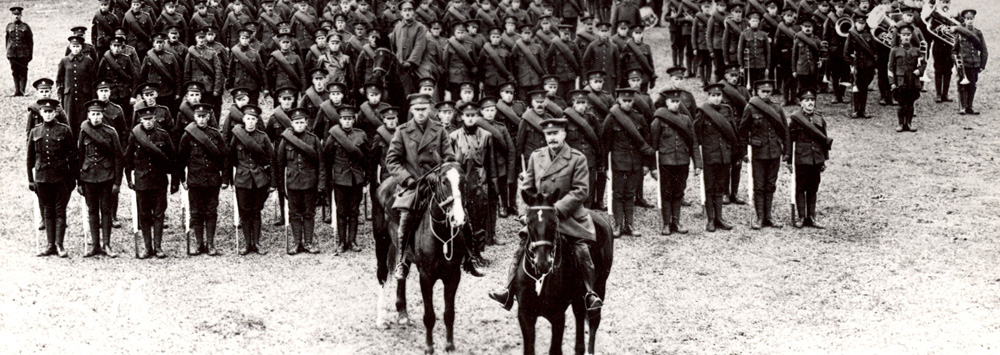
Training didn’t wait until all the organizational tasks were complete. Newspaper reports indicate that the first men were being drilled in November 1915. Each of the 116th Battalion’s companies conducted their own separate training locally. The four companies were never in one place at the same time until early May 1916. It is never stated anywhere explicitly, but recruit training must have been a challenge. Men were arriving to the Battalion a few at a time which would have been difficult to run a recruit course in the modern sense.
A document written in late 1916 that covered a short history-to-date of the Battalion indicated that rifles, bayonets, belts and other equipment were difficult to obtain. Training took place with condemned Mark II Ross rifles while in Canada. It was not until the Battalion reached England that each soldier was issued a serviceable rifle. Some usable rifles must have been available because, as noted below, they were fired on the local ranges.
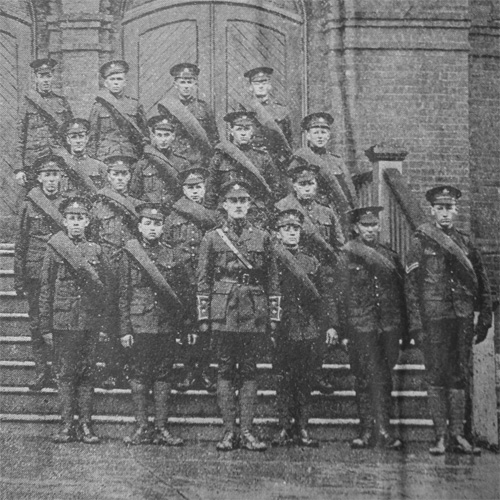
Some soldiers were sent on training courses outside the County. Many attended courses at the Provisional School of Instruction at Toronto in such topics as instructional technique, trench warfare and bayonet fighting. Many also attended the School of Musketry in Toronto. The 116th conducted courses of its own as well. Uxbridge was the site of an NCO course, as well as courses in first aid, signalling and scouting in early 1916. The Ross rifle was fired at the ranges just south of Uxbridge at Brookdale. The ranges were owned by the 34th Ontario Regiment and had opened on the Labour Day weekend of 1914. Planning and construction of the ranges had begun in early 1914, well before the start of the war, and the timing of their opening and the convenient location were fortunate. The history of this rifle range was covered in a previous article. Another temporary range was set up in Whitby on the shore of Lake Ontario. “A” Company made use of the Uxbridge fairgrounds for training.
The Globe & Mail reported in late December 1915 that Private Barrett was accidentally shot in the leg the Brookdale rifle range. No other information can be found on this incident or the soldier.
The Battalion was handicapped by a lack of indoor training facilities. The Oshawa Armoury was not available due to it being assigned as the winter quarters of the 84th Battalion. The Whitby Gazette & Chronicle noted the challenge being faced because the old Whitby drill shed (dating from the 1860s) was unusable due to water leakage.
“C” Company took part in a combination of route march and tactical exercise between Whitby and Brooklin in late April. The Whitby Company drilled in the town park (now Rotary Centennial Park) until the weather turned too cold.
Outdoor areas were not much better in the spring as the town park was “a large pond” and the roads “deep in mud”. The newspaper stated that the train station platforms were being used.
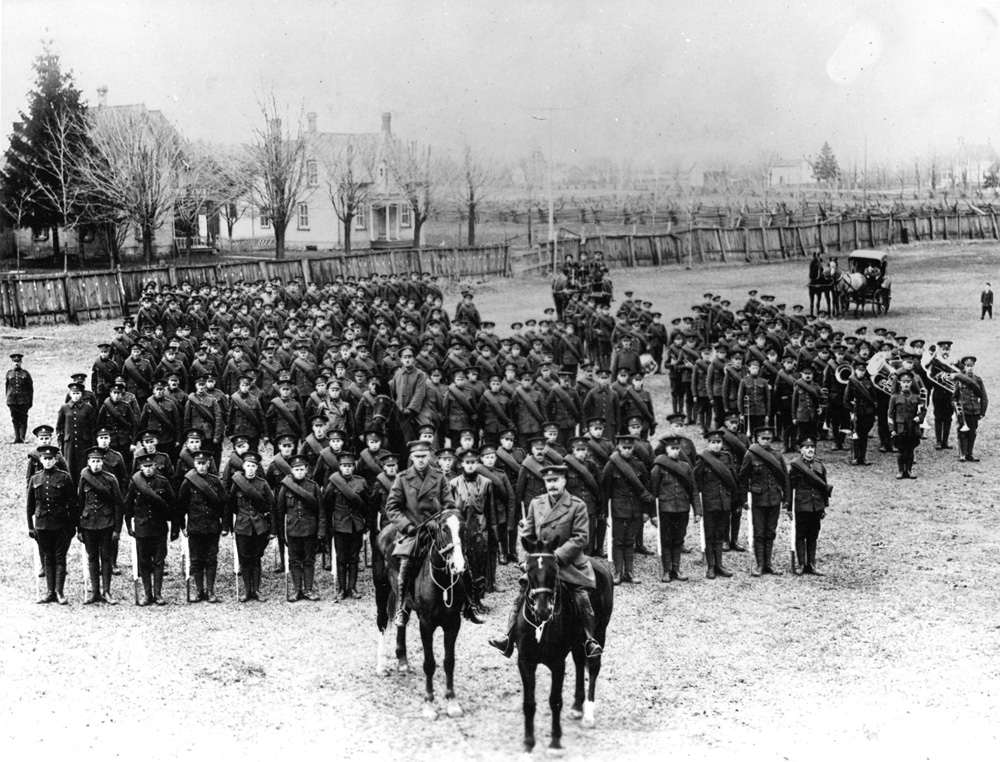
(The Thomas Bouckley Collection, the Robert McLaughlin Gallery, Oshawa)
The newspapers did not provide a view on what the daily program looked like for a soldier who was not on a course. There were some references to additional route marches, but not much else. Information on meals and the daily schedule was never provided.
With the better spring weather the Battalion leadership felt compelled to issue an order prohibiting soldiers from hanging around street corners and making remarks about passing female pedestrians.
Deaths
The 116th Battalion suffered its first death on 20 January 1916 when Private John Britton passed away from pneumonia. Britton, 37 years old, was a member of the Port Perry platoon, “A” Company. Private Britton was a widower and was working as a machinist prior to enlisting with the 116th Battalion. He was given a military funeral and is buried at Union Cemetery in Oshawa.
The second death in the Battalion came soon after Private Britton. Lieutenant John Egerton Vaughan also succumbed to pneumonia, on 6 February 1916. He was unmarried and was 18 years old, the youngest officer in the Battalion, according to newspaper reports. There was both a private and military funeral for him. He is buried in Mount Pleasant Cemetery in Toronto.
Private Charles Cassidy was found dead in his bed at his billet on 1 May 1916. The doctor’s report indicated Cassidy died of heart failure due to the excessive use of alcohol. Cassidy was working as a waiter prior to enlisting. He was unmarried and was 37 years old. Cassidy is buried at Saint John the Evangelist Cemetery in Whitby.
Finishing out the First Phase
The 116th was at full strength by early April 1916, with the nominal roll at 1145 members, all ranks. While most of the men were from Ontario County, there were others from as far east as Halifax, Nova Scotia, and as far west as Regina, Saskatchewan. There were five McLean brothers from Sunderland. The family included two sets of twins. There were also three members of the Gammon family – a father and his two sons. The father, Private Thomas W. Gammon, went overseas with 116th but did not proceed to France due to his age. He had two more sons in other battalions.
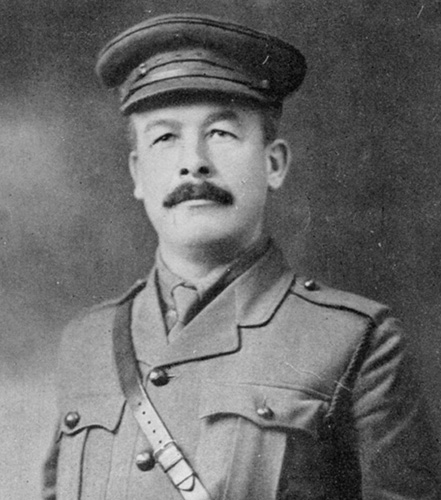
Key positions as of 1 May 1916:
HQ Company: Uxbridge
Commanding Officer: Lieutenant-Colonel Samuel S. Sharpe
Senior Major: Major Robert B. Smith
Junior Major: Major Carson A.V. McCormack
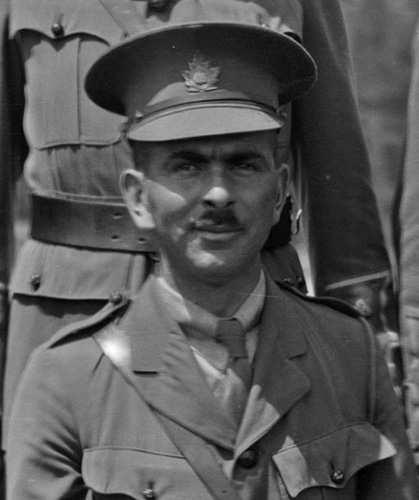
Adjutant: Captain A. Wellesley McConnell
Medical Officer: Captain James Moore
Quartermaster: Captain Norman E. Fairhead
Paymaster: Captain Archibald C. McFarlane
Chaplain: Honorary Captain John Garbutt
Signals Officer: Lieutenant Geoffrey E Walls
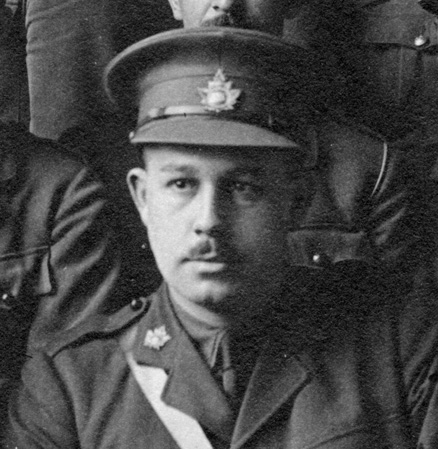
Transport Officer: Lieutenant Charles G. Cowan
Machine Gun Officer: Lieutenant Thomas W. Hutchison
Battalion Sergeant-Major: Warrant Officer Class II William R. Hole
Battalion Quartermaster: Sergeant John MacKay
Bandmaster: Bandmaster Alfred J. Graves
Bugle Bandmaster: Buglemaster William Templeman
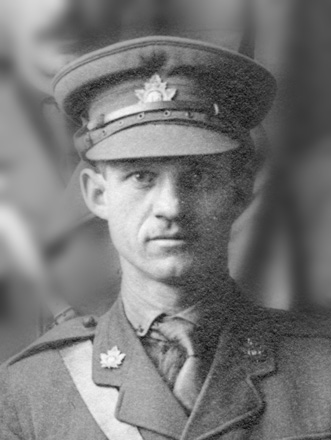
Transport Sergeant: Sergeant Robert Grogan
Medical Sergeants: Sergeant Omer Hague, Sergeant Ernest Nutting
Orderly Room Sergeant: Sergeant Ernest Trower
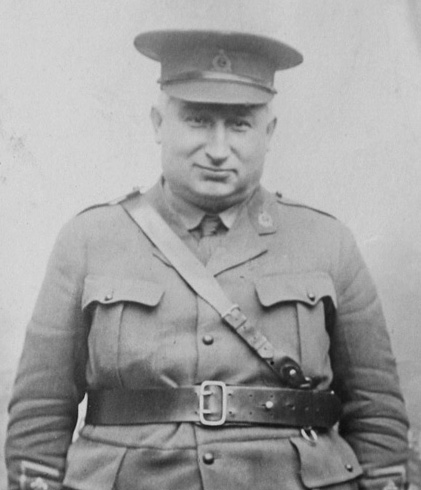
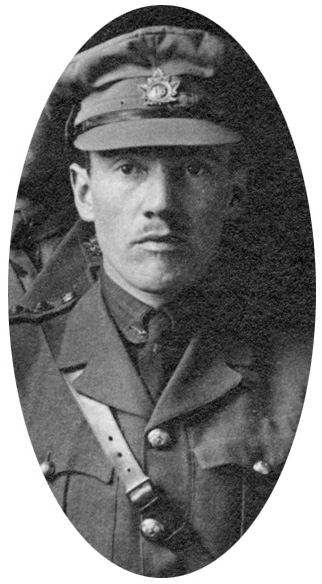
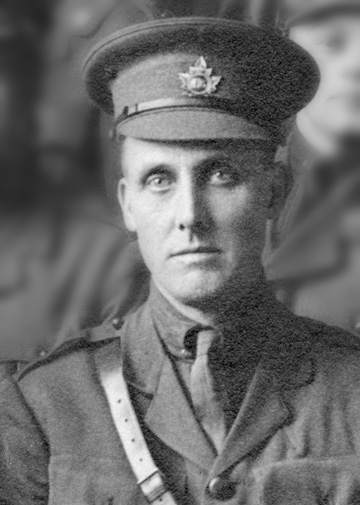
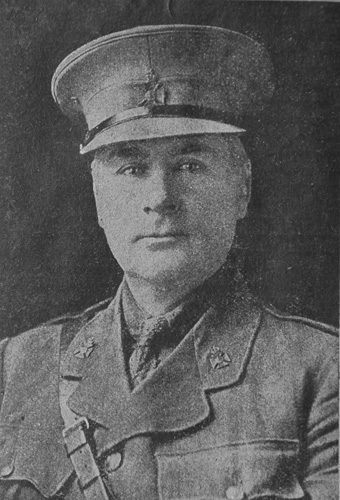
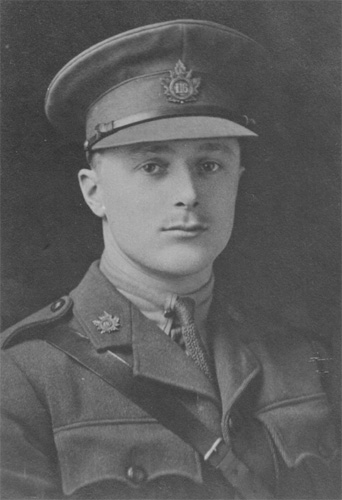
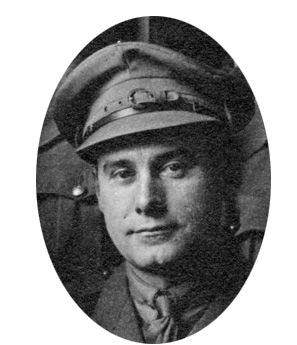
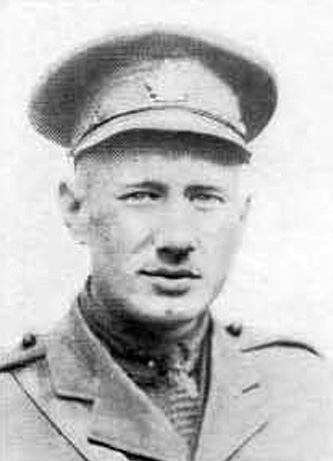
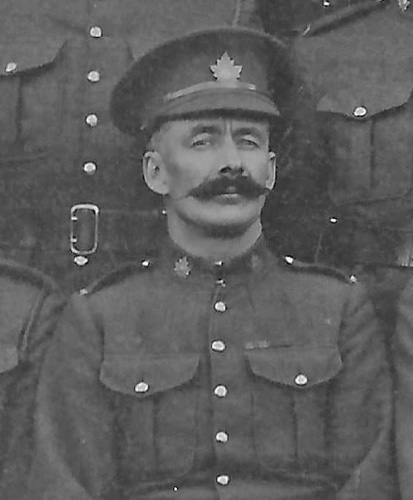
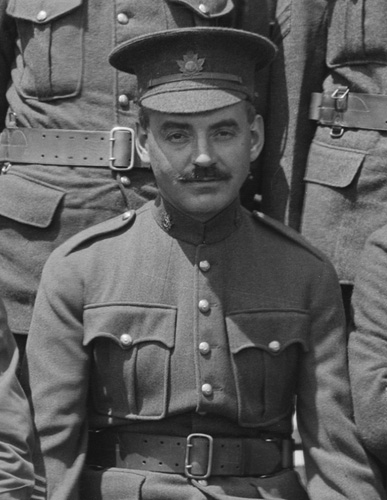
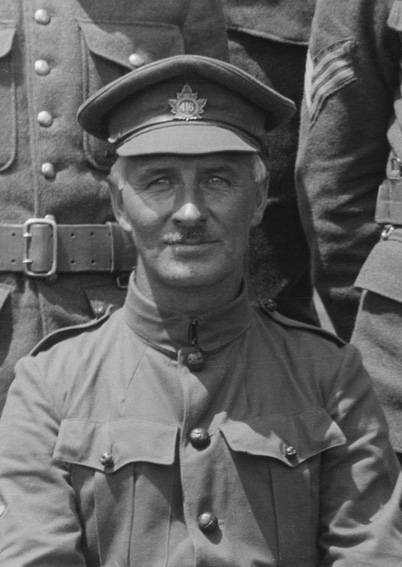
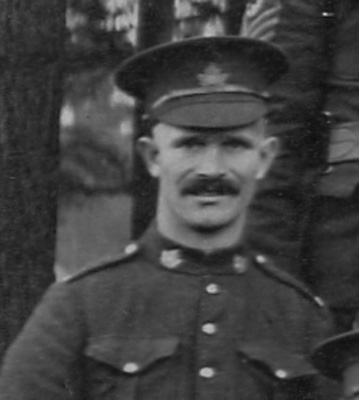
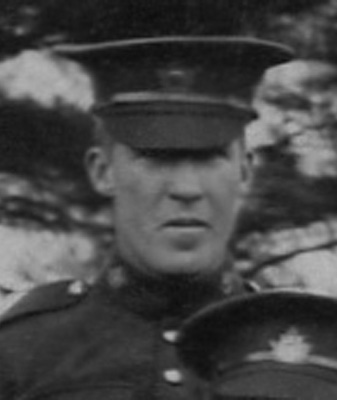
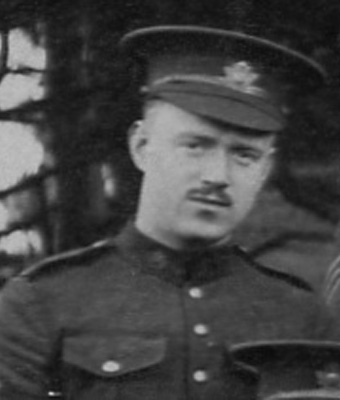
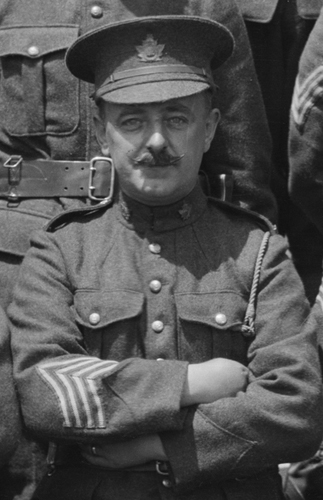
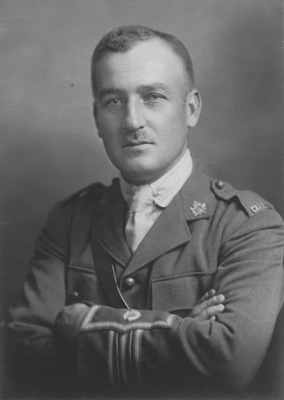
(seen here as a major)
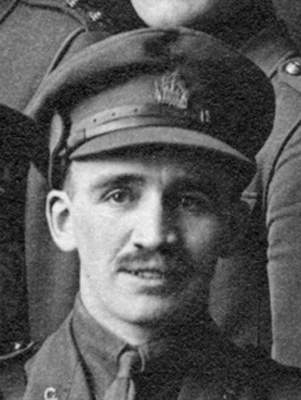
“A” Company – Uxbridge
Captain Henry P. Cooke
“B” Company – Beaverton
Captain W.H.D. Sharp
“C” Company- Whitby
Captain F.M. Moody
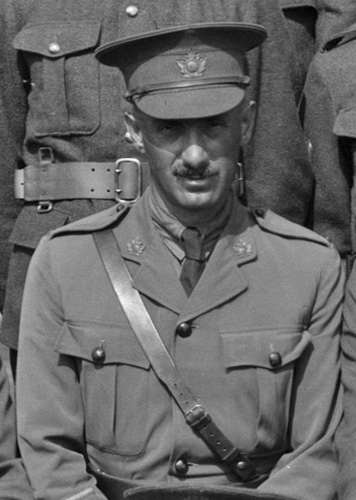
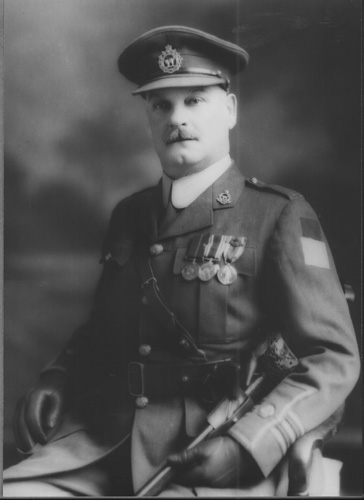
(seen here as a major)
“D” Company – Oshawa
Captain Alfred F. Hind
The next phase of the Battalion’s training came in early May when all companies were brought together for the first time at Beaverton for the upcoming county march. This march was covered in a previous article: https://tankmuseum.ca/blog-post/the-county-march/.
Rod Henderson is the Regimental Historian of the Ontario Regiment. He served as a Sergeant in the Regiment and is the author of “Fidelis Et Paratus: A History of The Ontario Regiment (RCAC), 1866-2016”.